

The real estate industry has entered a new digital era where technology is reshaping how properties are marketed, discovered, and sold. Traditional methods such as newspaper advertisements, roadside banners, and physical networking are no longer enough to compete in today’s fast-moving property market.
Digital marketing technology has become one of the most powerful forces driving modern real estate sales across the world. From social media advertising and artificial intelligence to virtual tours and search engine optimization, technology is helping real estate companies attract buyers faster and close more deals efficiently.
As more property buyers begin their search online, real estate professionals who embrace digital marketing technology are gaining a major competitive advantage in the industry.
The Internet Has Changed How People Buy Property
Modern property buyers now rely heavily on the internet when searching for homes, apartments, commercial buildings, and investment opportunities.
Instead of visiting multiple real estate offices physically, buyers can now browse listings, compare prices, view property images, and contact agents online within minutes.
This shift in consumer behavior has made digital marketing technology essential for real estate businesses that want to remain visible and competitive.
Real estate companies that fail to establish strong online visibility risk losing potential customers to competitors with stronger digital presence.
Social Media Marketing Is Expanding Property Reach
Social media platforms have become major tools for real estate marketing. Platforms like Facebook, Instagram, TikTok, LinkedIn, and YouTube allow agents and property companies to showcase listings to millions of potential buyers globally.
Digital marketing technology enables realtors to create highly targeted advertisements based on age, location, income level, interests, and online behavior.
This means property listings can reach the exact audience most likely to purchase or invest.
Social media also allows real estate brands to build trust, engage directly with audiences, and increase visibility through videos, live sessions, and interactive content.
Properties promoted effectively on social media often generate faster inquiries and stronger customer engagement.
Search Engine Optimization Is Increasing Property Visibility
Search engine optimization has become one of the most important digital marketing strategies in modern real estate sales.
When buyers search online for terms like “houses for sale,” “luxury apartments,” or “commercial property investment,” search engines prioritize websites with strong SEO performance.
Real estate companies now invest heavily in SEO to improve online visibility, attract organic traffic, and rank higher in search engine results.
Well-optimized real estate websites generate continuous traffic without depending entirely on paid advertisements.
SEO also helps agencies establish authority, credibility, and long-term digital growth in highly competitive property markets.
Virtual Tours Are Changing Property Marketing
Digital marketing technology has transformed how properties are presented to buyers through virtual tours and interactive visualization tools.
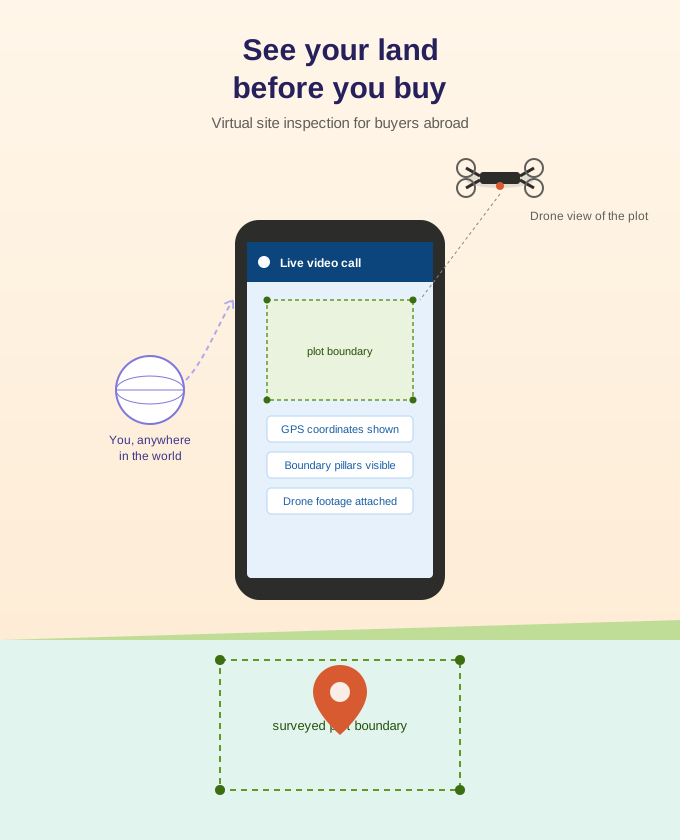
Instead of relying only on photographs, realtors can now offer 3D walkthroughs, drone footage, virtual staging, and immersive online property experiences.
This technology allows buyers to inspect properties remotely from anywhere in the world.
Virtual tours save time for both buyers and agents while increasing buyer confidence before physical inspections.
For international investors and long-distance clients, digital visualization tools have become especially valuable in decision-making.
Artificial Intelligence Is Personalizing Customer Experience
Artificial intelligence is becoming a major part of digital real estate marketing.
AI-powered systems can analyze customer behavior, property preferences, browsing history, and engagement patterns to deliver personalized recommendations.
This allows real estate companies to target buyers with highly relevant property suggestions and marketing campaigns.
Artificial intelligence also powers chatbots and automated customer support systems that respond instantly to inquiries.
Personalized experiences improve customer satisfaction and increase the likelihood of successful transactions.
Email Marketing Remains a Powerful Real Estate Tool
Despite the rise of social media, email marketing continues to play a critical role in real estate sales.
Digital marketing technology allows realtors to send targeted newsletters, property updates, investment opportunities, and promotional campaigns directly to potential buyers.
Automated email systems help maintain communication with clients while nurturing long-term relationships.
Personalized email campaigns often produce strong conversion rates because they reach audiences already interested in real estate opportunities.
Real estate companies that use advanced email marketing systems can build stronger customer loyalty and improve sales performance.
Data Analytics Is Helping Realtors Make Smarter Decisions
Modern digital marketing technology provides valuable data that helps real estate professionals understand customer behavior and market performance.
Analytics tools can track website traffic, advertisement performance, customer engagement, conversion rates, and buyer interests.
This information allows realtors to improve marketing strategies, identify successful campaigns, and adjust their approach for better results.
Instead of relying on assumptions, real estate companies can now make data-driven decisions that improve efficiency and profitability.
Video Content Is Becoming Essential in Real Estate Marketing
Video marketing has become one of the fastest-growing trends in modern real estate sales.
Property videos, neighborhood tours, investment guides, and behind-the-scenes content help attract attention and increase audience engagement online.
Short-form videos on platforms like TikTok, Instagram Reels, and YouTube Shorts are especially effective for reaching younger property buyers and investors.
Video content allows buyers to experience properties more realistically, making listings more attractive and memorable.
As digital competition grows, real estate companies using professional video marketing often gain stronger visibility and higher engagement rates.
Mobile Technology Is Driving Real Estate Growth
Smartphones have changed how people interact with the real estate market.
Many buyers now search for properties directly from mobile devices, making mobile-friendly websites and applications essential for modern real estate businesses.
Digital marketing technology ensures that listings, advertisements, and websites function smoothly across different devices.
Mobile optimization improves user experience, increases engagement, and helps buyers access property information quickly.
Real estate companies investing in mobile technology are better positioned to capture the growing number of mobile-first users.
Online Reputation Is Influencing Buyer Decisions
Digital marketing technology has also made online reputation more important than ever.
Reviews, ratings, testimonials, and social proof strongly influence buyer confidence in real estate companies and agents.
Potential clients often research online before deciding which realtor or property company to trust.
Strong digital branding and positive online presence can significantly increase customer trust and business credibility.
This is why many successful real estate companies now invest heavily in reputation management and online brand building.
The Future of Real Estate Sales Is Digital
The future of real estate sales is becoming increasingly connected to digital technology, automation, and online customer engagement.
As internet usage continues to grow globally, digital marketing technology will play an even greater role in how properties are marketed and sold.
Future innovations may include AI-generated property experiences, advanced virtual reality inspections, automated advertising systems, and intelligent customer targeting technologies.
Real estate companies that embrace digital transformation early are likely to dominate the future property market.
Digital marketing technology is no longer optional in modern real estate. It has become a powerful engine driving visibility, customer engagement, brand growth, and property sales worldwide.
In today’s competitive market, the real estate professionals who understand digital marketing technology are the ones most likely to succeed in the future.