

The global real estate industry is undergoing a rapid transformation driven by technology. From artificial intelligence and big data to smart buildings and digital platforms, property technology—commonly known as PropTech—is reshaping how real estate companies operate, market, and scale their businesses.
Across developed and emerging markets, smart real estate companies are no longer treating technology as an option. Instead, they are investing heavily in property technology to stay competitive, increase efficiency, reduce costs, and unlock new revenue opportunities.
This shift is redefining the future of real estate investment, development, and management.
Property Technology Is Improving Operational Efficiency
One of the main reasons real estate companies are investing in property technology is the need for greater efficiency.
Traditional real estate operations involve manual processes such as paperwork, tenant management, maintenance coordination, and financial tracking. These processes are often slow, expensive, and prone to human error.
PropTech solutions automate many of these tasks, allowing companies to manage properties more effectively. Digital platforms can handle rent collection, maintenance requests, tenant communication, and reporting with minimal human intervention.
This automation reduces operational costs while improving overall productivity across real estate organizations.
Artificial Intelligence Is Enhancing Decision-Making
Artificial intelligence is one of the most powerful components of modern property technology.
Real estate companies use AI to analyze market trends, predict property values, assess investment risks, and identify high-demand locations.
Instead of relying on guesswork, companies can now make data-driven decisions backed by real-time insights.
AI also helps in customer targeting, allowing real estate firms to understand buyer behavior and personalize property recommendations. This leads to higher conversion rates and more successful transactions.
In a highly competitive industry, better decision-making gives companies a significant advantage.
Smart Buildings Are Increasing Property Value
Smart building technology is another major reason real estate companies are investing in PropTech.
Modern buildings now come equipped with automated lighting systems, energy-efficient controls, security monitoring, and smart climate management systems.
These technologies not only improve comfort and safety but also reduce energy consumption and maintenance costs.
Properties with smart features often attract higher rental income and increased market value. As a result, developers and investors are prioritizing smart infrastructure in new projects.
The demand for intelligent buildings is growing rapidly in urban centers around the world.
Digital Platforms Are Expanding Market Reach
Property technology has made it easier for real estate companies to reach global audiences.
Online property platforms, mobile apps, and digital marketplaces allow companies to showcase listings to buyers and investors across different countries.
This digital exposure significantly increases the chances of faster sales and higher returns.
Instead of relying solely on local agents or physical offices, real estate companies can now market properties globally through technology-driven platforms.
This expanded reach is especially valuable for luxury real estate, commercial properties, and international investments.
Big Data Is Transforming Real Estate Strategy
Big data analytics is playing a crucial role in how real estate companies plan their strategies.
By collecting and analyzing large volumes of data, companies can identify market trends, customer preferences, pricing patterns, and investment opportunities.
This information helps developers decide where to build, what type of properties to develop, and how to price them competitively.
Big data also allows companies to track competitor performance and adjust strategies accordingly.
In a fast-changing property market, access to accurate data is essential for long-term success.
Virtual Reality and 3D Technology Are Changing Property Viewing
Virtual reality and 3D visualization tools are transforming how properties are presented to potential buyers.
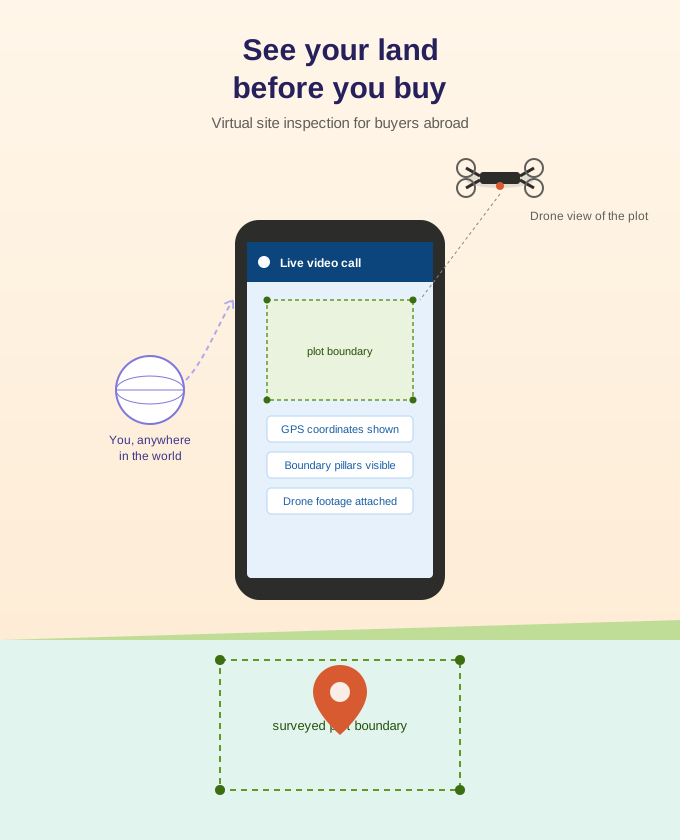
Instead of physically visiting multiple properties, clients can now explore realistic virtual tours from anywhere in the world.
These immersive experiences give buyers a better understanding of property layouts, design, and space.
For developers, virtual tours help attract investors even before construction is completed.
This technology is particularly useful for international buyers and busy professionals who prefer remote decision-making.
PropTech Is Reducing Costs and Increasing Profitability
Cost reduction is one of the strongest motivations behind PropTech investment.
Automation tools reduce the need for large administrative teams, while digital platforms minimize marketing and operational expenses.
Smart energy systems lower utility costs in residential and commercial buildings.
Predictive maintenance technology helps prevent expensive repairs by identifying issues early.
All these factors contribute to improved profitability for real estate companies.
In a competitive market, reducing operational costs while maintaining quality is a key advantage.
Customer Experience Is Becoming More Important
Modern real estate customers expect fast, transparent, and convenient services.
Property technology helps companies deliver a better customer experience through instant communication tools, online booking systems, and personalized property recommendations.
AI chatbots provide 24/7 support, answering inquiries and guiding clients through the buying or renting process.
Mobile apps and digital platforms make property search and transactions easier and more accessible.
Companies that invest in customer experience technology are more likely to attract and retain clients in the long term.
Blockchain Is Increasing Transparency in Real Estate Transactions
Blockchain technology is gradually gaining attention in the real estate industry.
It offers secure, transparent, and tamper-proof record-keeping for property transactions.
This reduces the risk of fraud, improves trust between buyers and sellers, and simplifies complex legal processes.
Smart contracts can automate property transfers and payment processes without the need for intermediaries.
As trust becomes a critical issue in global real estate, blockchain is expected to play a growing role in future transactions.
Competitive Pressure Is Driving Technology Adoption
The real estate industry has become highly competitive, especially with the rise of digital-first property companies.
Traditional firms that fail to adopt technology risk losing market share to more innovative competitors.
Startups and PropTech companies are introducing faster, cheaper, and more efficient solutions that are reshaping industry standards.
To remain relevant, established real estate companies are investing heavily in technology to modernize their operations.
This competitive pressure is accelerating digital transformation across the entire industry.
The Future of Real Estate Is Built on Technology
The future of real estate will be deeply connected to technology, automation, and digital ecosystems.
From smart cities and AI-driven investment tools to fully digital property marketplaces, the industry is moving toward a more connected and intelligent future.
Real estate companies that embrace property technology today are positioning themselves for long-term success in a rapidly evolving market.
Those that fail to adapt may struggle to compete in the coming years.
Property technology is no longer a trend—it is the foundation of the modern real estate industry.