

Investing in real estate is one of the smartest ways to build long-term wealth in Nigeria. With the country’s growing population, increasing urbanization, and rising demand for residential and commercial properties, real estate continues to offer attractive investment opportunities. However, many first-time property investors make costly mistakes that can lead to financial losses, legal disputes, or poor returns on investment.
If you’re planning to buy your first property, understanding these common mistakes can help you make informed decisions and maximize your investment.
- Failing to Conduct Proper Due Diligence
One of the biggest mistakes new investors make is buying property without verifying ownership or legal documents. Some properties are under government acquisition, involved in family disputes, or have forged titles.
Before making any payment, ensure you verify:
Certificate of Occupancy (C of O)
Governor’s Consent (where applicable)
Deed of Assignment
Survey Plan
Property ownership history
Working with a qualified property lawyer can help you avoid legal complications.
- Ignoring the Location
The saying “location is everything” remains true in Nigerian real estate. A cheap property in a poor location may not appreciate significantly or attract tenants.
When evaluating a property, consider:
Road accessibility
Security
Proximity to schools, hospitals, and business districts
Availability of electricity and water
Future infrastructure developments
A strategically located property typically delivers better long-term returns.
- Buying Based on Price Alone
Many first-time investors focus only on finding the cheapest property available. While affordability is important, an unusually low price may indicate underlying issues such as poor documentation, flooding, encroachment, or legal disputes.
Instead of chasing the lowest price, evaluate the property’s overall value and growth potential.
- Not Setting a Realistic Budget
Buying property involves more than the purchase price. Many investors forget to account for additional costs such as:
Legal fees
Survey fees
Documentation charges
Agency commissions
Development levies
Renovation costs
Property taxes
Planning your finances ahead helps prevent unexpected expenses.
- Skipping Professional Advice
Trying to save money by avoiding professionals can become expensive in the long run.
Engage experienced professionals such as:
Licensed real estate agents
Property lawyers
Surveyors
Valuers
Their expertise can protect your investment and ensure a smooth transaction.
- Investing Without Researching the Developer
If you’re buying from a real estate company or estate developer, investigate their reputation before making any commitment.
Research:
Previous projects
Customer reviews
Delivery timeline
Legal registrations
Track record
A reputable developer reduces the risk of project delays or failed developments.
- Expecting Quick Profits
Real estate is generally a long-term investment. Many first-time investors expect property values to double within months.
While some locations appreciate rapidly, property investments typically generate wealth through:
Capital appreciation
Rental income
Long-term value growth
Patience is often rewarded in real estate investing.
- Failing to Inspect the Property
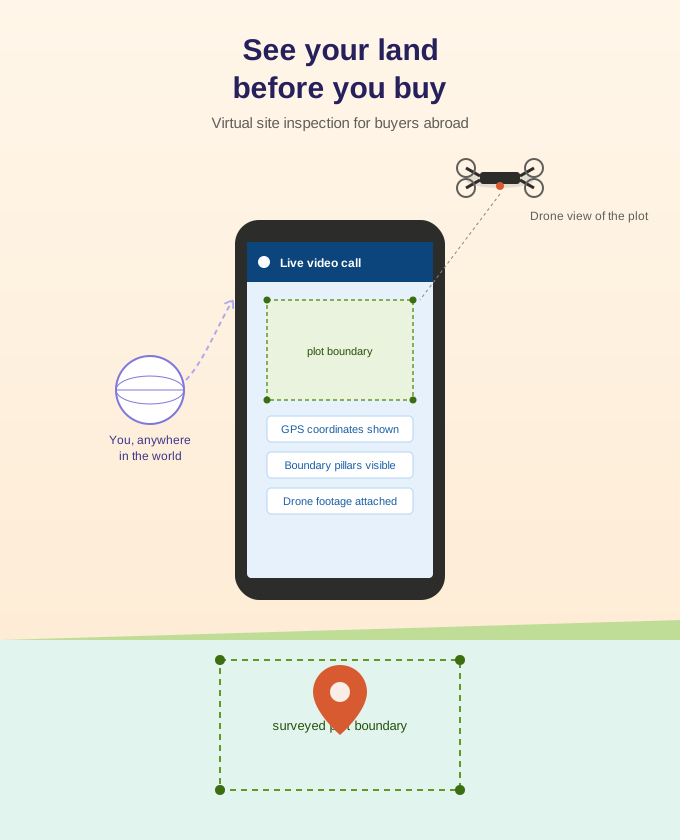
Never rely solely on photos or promotional materials. Always inspect the property physically before making payment.
During inspection, check for:
Structural defects
Drainage issues
Accessibility
Environmental conditions
Neighbourhood development
A physical inspection helps you identify potential problems early.
- Ignoring Market Trends
Buying property without understanding market demand can result in poor investment decisions.
Study factors such as:
Rental demand
Population growth
Infrastructure projects
Emerging investment locations
Property appreciation rates
Market research helps you identify high-potential investment opportunities.
- Neglecting Exit Strategy
Every investment should have an exit plan. Before purchasing, ask yourself:
Can I easily resell this property?
Will there be consistent demand?
Can it generate rental income?
How long am I willing to hold the investment?
Having a clear investment strategy reduces uncertainty and improves returns.
Tips for Successful Property Investment in Nigeria
To increase your chances of success:
Verify all property documents before payment.
Buy in locations with strong growth potential.
Work with trusted real estate professionals.
Budget for all associated costs.
Conduct thorough market research.
Visit the property before making a commitment.
Think long-term rather than seeking quick profits.
Final Thoughts
Real estate remains one of the most reliable investment opportunities in Nigeria, but success depends on making informed decisions. By avoiding these common mistakes, first-time property investors can reduce risks, protect their capital, and position themselves for sustainable wealth creation.
Whether you’re purchasing land, residential apartments, or commercial properties, taking the time to conduct due diligence and seek professional guidance can make the difference between a profitable investment and an expensive mistake.