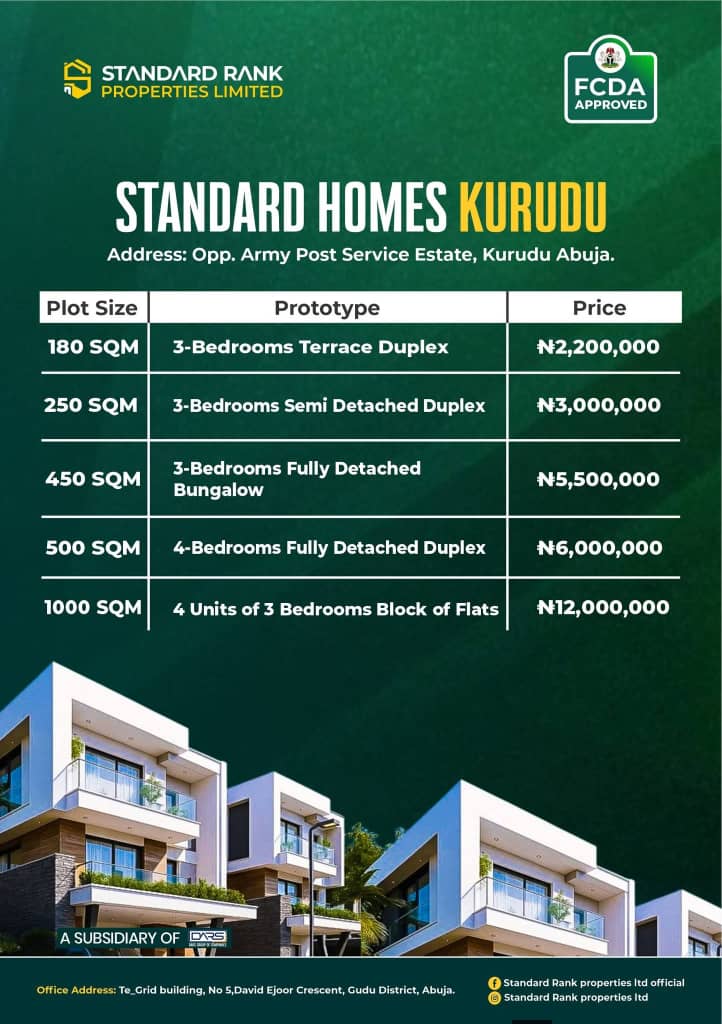


Abuja’s real estate market continues to position itself as one of the most attractive investment destinations in Nigeria. As the nation’s capital experiences rapid urban expansion, infrastructure growth, and increasing population migration, investors are paying closer attention to emerging opportunities across residential, commercial, and mixed-use developments.
In 2026, Abuja remains a high-potential market for both short-term returns and long-term wealth creation. However, understanding the market dynamics, investment hotspots, pricing trends, risks, and future growth patterns is essential for making profitable decisions.
Why Abuja Remains a Prime Real Estate Destination
Abuja has maintained strong appeal because of its organized urban structure, political significance, and expanding economy. Unlike many overcrowded cities, Abuja still offers room for planned expansion, making it highly attractive to developers and investors.
Several factors continue driving the city’s property market, including:
- Rapid population growth
- Increased demand for housing
- Government infrastructure projects
- Rising middle-class population
- Expansion of satellite towns
- Increased diaspora investments
- Growing commercial activities
These factors have created consistent demand for land, residential apartments, office spaces, and commercial properties across the Federal Capital Territory.
The Hottest Investment Locations in Abuja in 2026
Location remains one of the biggest determinants of profitability in Abuja real estate. In 2026, investors are focusing on both luxury districts and fast-growing emerging areas.
Premium Investment Districts
High-end areas continue attracting wealthy buyers, diplomats, and corporate investors. These districts include:
- Maitama
- Asokoro
- Guzape
- Wuse II
- Jabi
- Katampe Extension
Properties in these locations offer strong rental yields, prestige, and long-term appreciation. Luxury apartments and serviced residences are especially popular among expatriates and high-income professionals.
Emerging High-Growth Areas
Many investors are now targeting developing districts where land prices remain relatively affordable but appreciation potential is high.
Fast-growing locations include:
- Lugbe
- Lokogoma
- Kuje
- Kabusa
- Apo Extension
- Pyakasa
- Gwarinpa Extension
- Jahi
- Idu
- Life Camp
These areas are benefiting from improved road infrastructure, urban migration, and increasing housing demand.
Early investors in these districts may experience substantial returns over the next few years as development expands outward from the city center.
Residential Real Estate Continues to Dominate
Residential properties remain the strongest segment of Abuja’s real estate market in 2026. Population growth and rising urban migration continue creating high demand for housing across all income categories.
Key residential trends include:
- Increased demand for apartments
- Growth of gated estates
- Flexible payment plan developments
- Rising demand for short-let apartments
- Smart and energy-efficient homes
- Compact luxury housing
The apartment market is especially booming due to affordability concerns and changing lifestyle preferences among young professionals and middle-income earners.
Developers who provide modern amenities, security, and accessible payment structures are attracting the highest demand.
Luxury Real Estate Is Expanding Rapidly
Abuja’s luxury property market continues growing despite economic pressures. Wealthy Nigerians, politicians, diaspora investors, and foreign business executives continue driving demand for premium developments.
Luxury trends in 2026 include:
- Smart mansions
- Fully serviced apartments
- Waterfront-inspired estates
- High-rise residential towers
- Private gated communities
- Premium short-let properties
Districts like Maitama, Asokoro, and Guzape remain the center of Abuja’s luxury market.
Investors targeting high-net-worth clients are increasingly focusing on quality finishing, technology integration, and premium lifestyle amenities.
Commercial Real Estate Is Evolving
Commercial real estate in Abuja is undergoing major transformation as businesses adopt flexible work structures and modern office solutions.
The market is witnessing rising demand for:
- Co-working spaces
- Mixed-use developments
- Retail plazas
- Hospitality projects
- Warehousing and logistics hubs
- Smart office buildings
Business districts such as Wuse II, Jabi, Central Area, and Garki continue attracting strong commercial investment activity.
Developers are increasingly combining residential, office, retail, and leisure spaces within integrated developments to maximize profitability.
Infrastructure Development Is Fueling Property Appreciation
Infrastructure remains one of the strongest drivers of real estate growth in Abuja. New road projects, bridges, drainage systems, and transportation upgrades continue opening new investment corridors.
Areas connected to major infrastructure projects are witnessing faster property appreciation rates.
Key infrastructure developments influencing the market include:
- Road expansion projects
- Airport corridor development
- Improved drainage systems
- Expansion of satellite road networks
- Increased utility access
- Smart city initiatives
Investors who buy properties before infrastructure completion often experience significant capital appreciation.
Technology Is Reshaping Abuja Real Estate
Technology is becoming a major force in Abuja’s property sector. Real estate companies are increasingly adopting digital solutions to improve transactions, marketing, and property management.
Major PropTech trends in 2026 include:
- Virtual property tours
- Online land verification
- Digital documentation
- AI-powered property valuation
- Smart home integration
- Online property marketplaces
Buyers now prefer transparency, speed, and convenience during property transactions.
Real estate firms that embrace technology are gaining competitive advantage and attracting younger, tech-driven investors.
Affordable Housing Remains a Massive Opportunity
Nigeria’s housing deficit continues creating enormous opportunities within the affordable housing sector.
Many residents in Abuja struggle with rising rental costs and limited access to home ownership. As a result, developers are increasingly focusing on:
- Affordable estates
- Rent-to-own housing
- Mini apartments
- Flexible installment plans
- Cooperative housing projects
Middle-income housing is expected to remain one of the most profitable investment sectors over the next decade.
Developers who can balance affordability with quality construction may dominate the market.
Challenges Investors Should Watch Closely
Despite the opportunities, Abuja’s real estate market still presents several challenges investors must consider carefully.
Major concerns include:
- High construction costs
- Inflation and currency instability
- Land documentation issues
- Bureaucratic approval delays
- Infrastructure gaps
- Rising building material prices
- Mortgage accessibility challenges
Investors must conduct proper due diligence before purchasing land or funding developments.
Working with verified developers, lawyers, and registered surveyors remains essential for reducing investment risks.
Short-Let Apartments Are Becoming More Profitable
The short-let market continues expanding rapidly in Abuja due to increasing business travel, tourism, and flexible accommodation demand.
Areas currently dominating the short-let sector include:
- Jabi
- Wuse II
- Maitama
- Guzape
- Gwarinpa
- Asokoro
Many investors now prefer furnished apartments because they generate higher returns compared to traditional yearly rentals.
The growth of digital booking platforms has also made short-let investments more accessible and profitable.
What Smart Investors Should Focus on in 2026
Investors looking to succeed in Abuja’s real estate market should focus on:
- Emerging infrastructure corridors
- Affordable housing projects
- Smart and sustainable homes
- Mixed-use developments
- Verified land documentation
- Long-term appreciation areas
- Technology-driven property solutions
Timing, location, and proper market research will remain critical to maximizing returns.
Abuja’s real estate market in 2026 continues to offer enormous opportunities for investors willing to think strategically. From luxury developments and commercial projects to affordable housing and emerging satellite towns, the city remains one of Nigeria’s strongest real estate investment destinations.
As infrastructure improves and urban expansion accelerates, property values in strategic locations are expected to continue rising. Investors who understand market trends, identify growth corridors early, and prioritize due diligence may position themselves for substantial long-term returns.
The future of Abuja real estate remains bright, competitive, and full of potential for those prepared to navigate the evolving market intelligently.